Debt Consolidation
Where Do I Report Harassment From an Online Lending Company in the Philippines?
If a loan app or debt collector is flooding you with threats, cursing at you, or messaging your family and officemates to shame you, take a breath, because you are not powerless. What they are doing is unfair, and there are real government offices whose job is to shut this down. You just need to know where to go and what to bring.
This guide shows you exactly where and how to report harassment from an online lending company in the Philippines, in plain language, made for regular working people.
💡 Highlights
- Harassment by a lending app is against the law, no matter how far behind you are on payment.
- The main office to report unfair collection and harassment is the SEC.
- For stolen contacts, shaming messages, or misused data, report to the National Privacy Commission (NPC).
- For threats, extortion, or fake scandals, go straight to the police cybercrime units.
- You can and often should report to more than one office, since each handles a different part.
- Save all your evidence first: screenshots, numbers, the app name, and the company behind it.
- Reporting harassment does not erase your debt, but it does stop them from breaking the law against you.
First, Is What They Are Doing Actually Illegal?
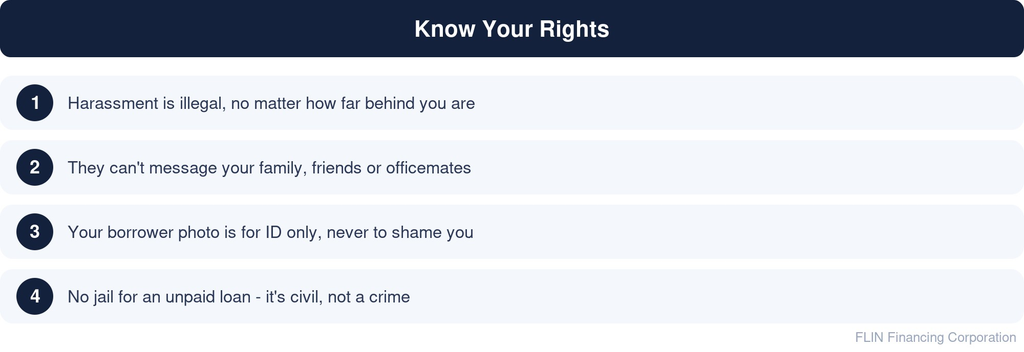
Under SEC Memorandum Circular No. 18, Series of 2019 on unfair debt collection, and the Data Privacy Act of 2012, a lender or its collectors cannot threaten you, curse at you, publicly shame you, or contact your family, friends, and officemates to embarrass you. Copying your phone contacts and messaging them is a privacy violation. And threats, extortion, or fake “scandal” messages cross into criminal territory.
So when a loan app does these things, they are not just being aggressive. They are breaking several laws at once, which is exactly why you have somewhere to report them.
What Should You Gather Before You Report?
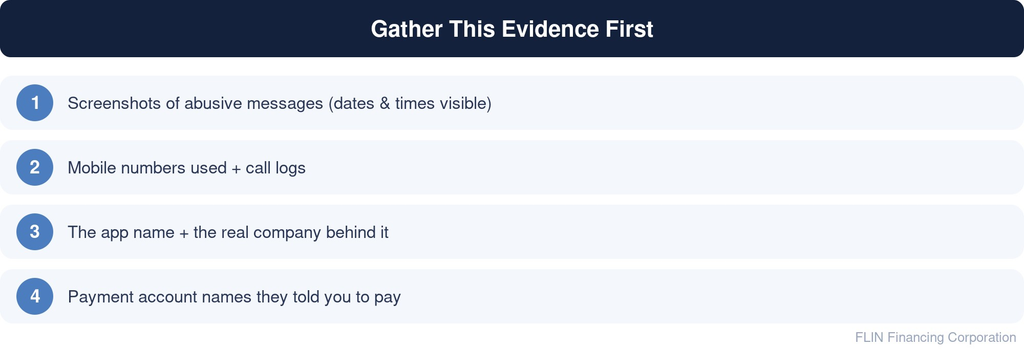
Do this first, because your evidence is what makes a complaint stick. As advised in Philippine legal guidance from Respicio and Co., you should provide every available identifier when you report, so take screenshots of every abusive message, call log, and shaming post, with dates and times visible. Note the mobile numbers used, the exact name of the app, and the real company behind it if you can find it, usually in the app’s “About” section or on the app store. Save any payment account names they told you to send money to. The more identifiers you have, the stronger your report.
Keep everything in one folder on your phone or computer. You will reuse the same evidence across different offices.
Where Do You Report Harassment From an Online Lending App?
Here are the offices, and what each one handles.
The SEC, for the lending company’s conduct
This is your main stop, because online lending companies are regulated by the SEC. According to the Joint DICT-NPC-SEC Advisory on Online Lending Platforms issued March 18, 2026, complaints about unfair debt collection go to the SEC’s Financing and Lending Companies Department, reachable through the SEC iMessage system, or the SEC assistance hotline 1-4732, which spells 1-4SEC. Based on the SEC’s own complaint instructions, you can also email a complaint to the department using a subject line in the format of your full name, then the respondent company, then the subject of the complaint. Download and fill out the SEC complaint form, attach your evidence and a valid ID, and follow the instructions closely so it is not dismissed on a technicality.
The National Privacy Commission (NPC), for privacy abuse
Use this when the app harvested your contacts, messaged people who never agreed to anything, circulated your photo or loan details, or used your data in ways you were never told about. Under NPC rules, your borrower photo can only be used for identity verification, never to shame you. Following the NPC’s filing procedure, you submit a formal Complaint-Affidavit through the NPC’s filing page on their website.
The BSP, if a bank is involved
As outlined in Philippine consumer guidance from Tonik, if the lender is a bank or a BSP-supervised entity, raise it with the company first, then escalate to the Bangko Sentral ng Pilipinas if you are not satisfied.
The police cybercrime units, for threats and crimes
If the messages include threats of harm, extortion, blackmail, impersonation of officials, or fake sexual “scandal” threats, that is criminal, and you should report it to the PNP Anti-Cybercrime Group or the NBI Cybercrime Division. If you are in immediate danger, contact 911 without waiting.
Should You Report to More Than One Office?
Yes, often you should. As Philippine legal guidance from lawyer-philippines.com explains, these offices cover different things, and you may file with several according to their jurisdiction: the SEC for the lending company’s illegal collection, the NPC for the misuse of your personal data, and law enforcement for any actual threats or crimes. So a single harassment episode can legitimately go to two or three of them at once. When you file, mention your other complaints so each office understands the full picture.
What if the App Is Unregistered or I Do Not Know the Company?
Report it anyway, a complaint against an unregistered or unidentified app is still useful, because it helps the authorities track and shut them down. Just give every identifier you have: the app name, any mobile numbers, the payment account names, the app-store link, screenshots of their ads, and anything else. The authorities have been actively hunting down illegal apps, and your report adds to the case against them.
Can Someone Who Is Not the Borrower Report?
Yes. As explained in lawyer-philippines.com’s guidance, if you got a shaming message about someone else’s debt, meaning your number was harvested from a borrower’s contacts even though you never took any loan, you can file your own complaint with the NPC as a data subject. Save the message you received and anything showing how they linked you to the borrower. Your data was processed without any basis, and that is a violation on its own.
Does Reporting Make My Debt Disappear?
No, and it is important to be clear about this. Reporting harassment stops the illegal behavior, but it does not erase a debt you genuinely owe. They are two separate things. You handle the harassment through the offices above, and you handle the debt itself through a repayment plan. And as guaranteed by Article III, Section 20 of the 1987 Constitution, you cannot be jailed for an ordinary unpaid loan, so you are always dealing with this from a position of safety, not fear.
One note: this article is general information, not legal advice. For a serious case, especially one involving threats, you can also seek free legal help from the Public Attorney’s Office if you qualify.
Dealing With the Debt Behind the Harassment
Once the calls quiet down, the real relief comes from getting the debt itself under control, because for many people the harassment started when several loans piled up past what their salary could cover. If that is you, the answer is not another loan app to patch the gap, that only feeds the cycle.
FLIN helps salaried Filipinos combine high-interest debts, online loans, credit cards, and buy-now-pay-later balances, into one more manageable monthly payment, with the funds paid directly to your existing creditors so they only ever settle debts you already have with unsecured debt consolidation. If harassment and a pile of due dates have taken over, a short, no-pressure consultation can help you see a clearer way forward. You deserve to be treated fairly while you sort this out, and now you know exactly where to go to make the harassment stop.
Find out more about how to handle debt problems via below:
Your Debt-Free Life Start Here
Consult with us and get the best solution based on your financial condition